
Marine Career Development Program
Program Overview
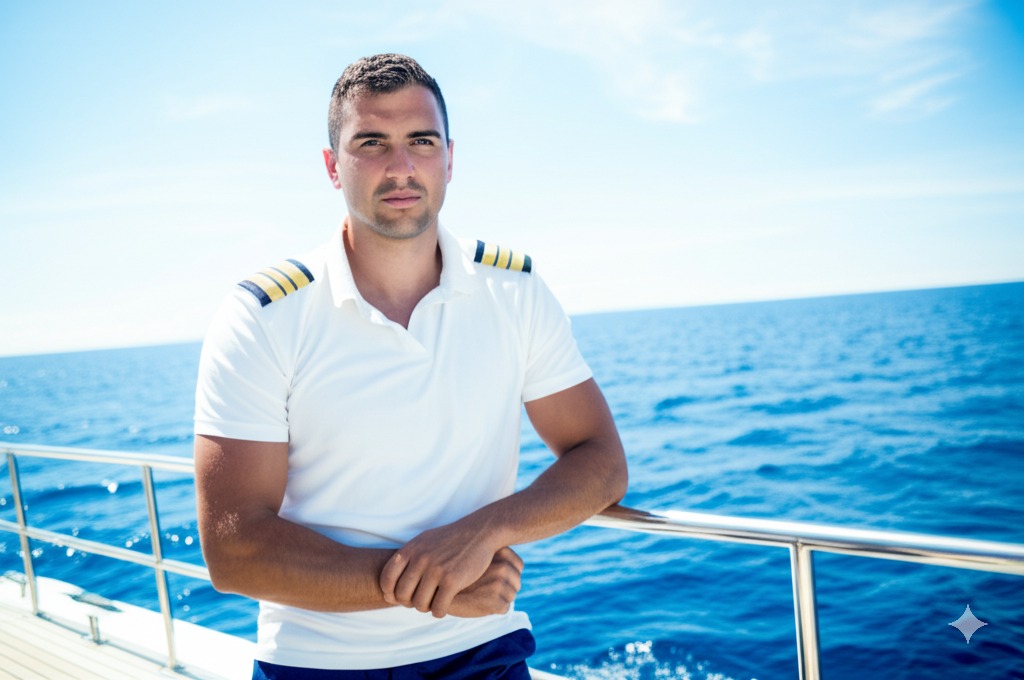
The Marine Development Program is a comprehensive 14-day program in Mossel Bay, South Africa. It is designed to provide participants with essential maritime, diving, and conservation skills through practical experience and internationally recognized certifications.
Program Details:
Duration: 14 Days
Location: Mossel Bay, South Africa
Assessment: Pass/Fail based on practical and theoretical mastery
Group Size: Limited for personalized attention
Course Modules
Deckhand Training
- Basic seamanship and vessel maintenance
- Ropework, knot tying, and watchkeeping
- Emergency procedures and safety drills
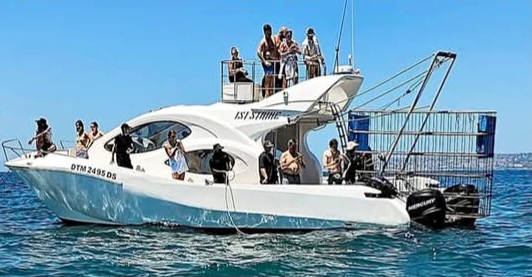
Shark Program with White Shark Africa
- Shark cage diving and marine conservation training
- Understanding shark behavior and eco-tourism operations, real world hands on work experience on a
Commercial Boat with customers.
Deckhands play a crucial role in the operation of shark cage diving tours. Key responsibilities include:
a) Safety Protocols and Emergency Procedures
- Ensure passengers wear life jackets before departure.
- Be familiar with emergency exits and first aid kits.
- Follow safety protocols for shark cage diving and fire prevention.
- Respond promptly to emergencies, including man overboard situations.
b) Pre-Departure Duties
- Inspect the vessel and diving equipment for readiness.
- Prepare bait and observation gear.
- Brief guests on safety guidelines and the dive process.
c) Onboard Responsibilities
- Assist passengers entering and exiting the cage safely.
- Monitor shark activity and report findings to the captain.
- Educate guests on shark behavior and conservation efforts.
d) Post-Trip Duties
- Clean and maintain diving and observation equipment.
- Debrief with the crew and prepare the vessel for the next excursion.
e) Equipment Handling and Maintenance
Proper handling of diving and observation equipment is essential for safety and operational efficiency:
- Inspection: Check for damage before and after trips.
- Cleaning: Rinse all equipment with fresh water and sanitize where needed.
- Storage: Ensure equipment is stored securely to prevent damage.
f) Communication and Teamwork
Effective communication is vital to coordinate with the captain and crew:
- Use marine radios for updates on weather and shark sightings.
- Follow protocols for emergency communications.
- Work collaboratively with team members to ensure smooth operations.
SAMSA Skippers Ticket
This hands-on course covers essential topics such as seamanship, safety protocols, and basic navigation techniques. Our expert instructors will guide you through theory, practical exercises and real-life scenarios to help you complete the course with confidence. Each course consists of a theory presentation, an exam and a practical evaluation on the boat.
- Chart Work 1 + 2
- Power 1 + 2
- Law 1
- Meteorology 1
- Seamanship 1 + 2
- Emergency 1 + 2
- Boat Handling 1
This (academic) level of national certificate certifies that the candidate has demonstrated that he/she has the knowledge necessary to skipper, during daylight hours, any category C (or lower) small vessel from and to his home-port or sheltered launch site, anywhere in South Africa;
Requirements
4 Colour ID photos
Completed SAMSA Medical Form
Certified Copy of ID
25 logged sea hours signed by a skipper with a copy of his skippers ticket (we can help provide the 25 logged sea hours as part of your course.)
LSGC or COF of boat used to complete logged hours
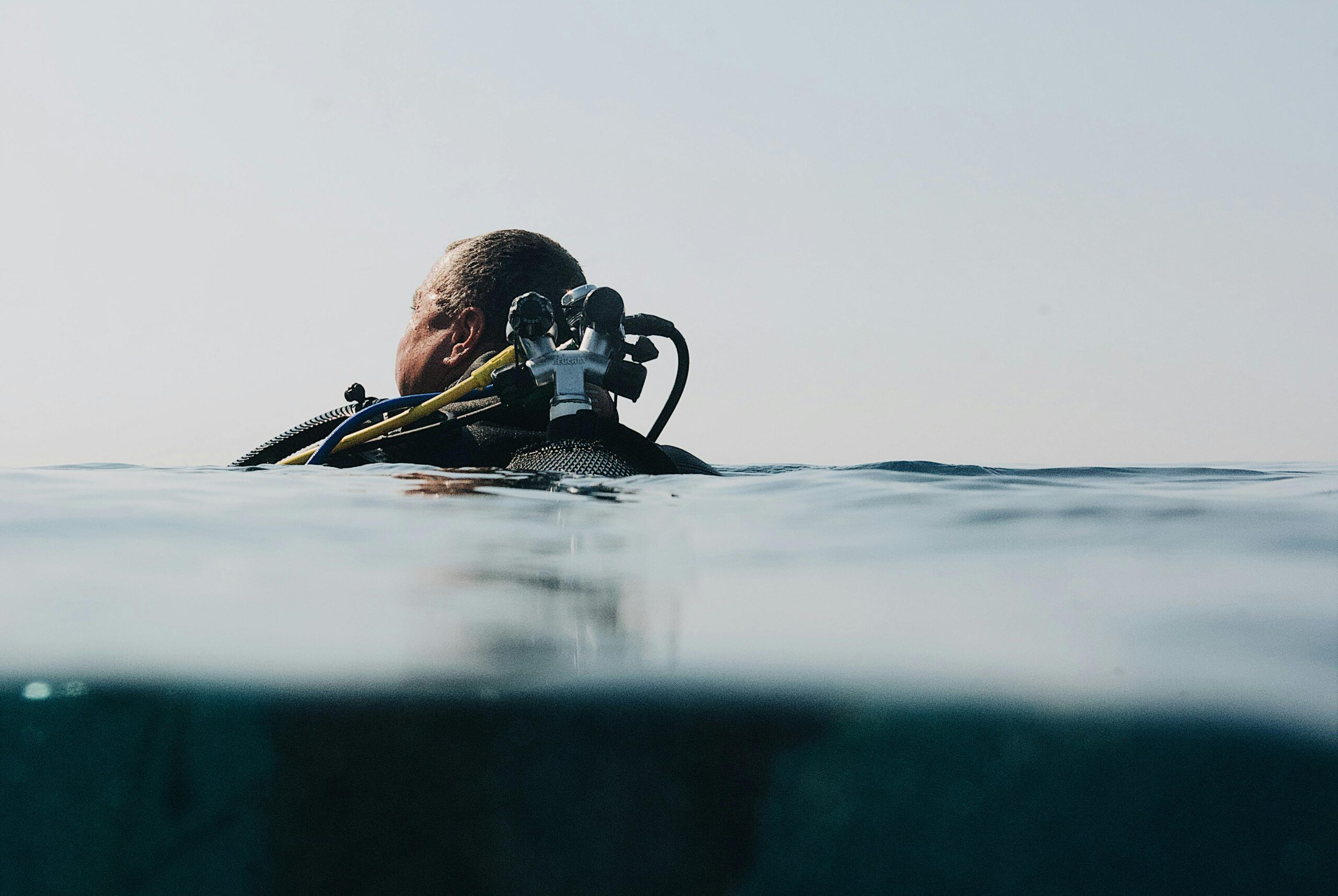
Open Water Scuba Certification NAUI
- Dive theory and confined water training
- Open water dives up to 18 meters
- Internationally recognized diving certification
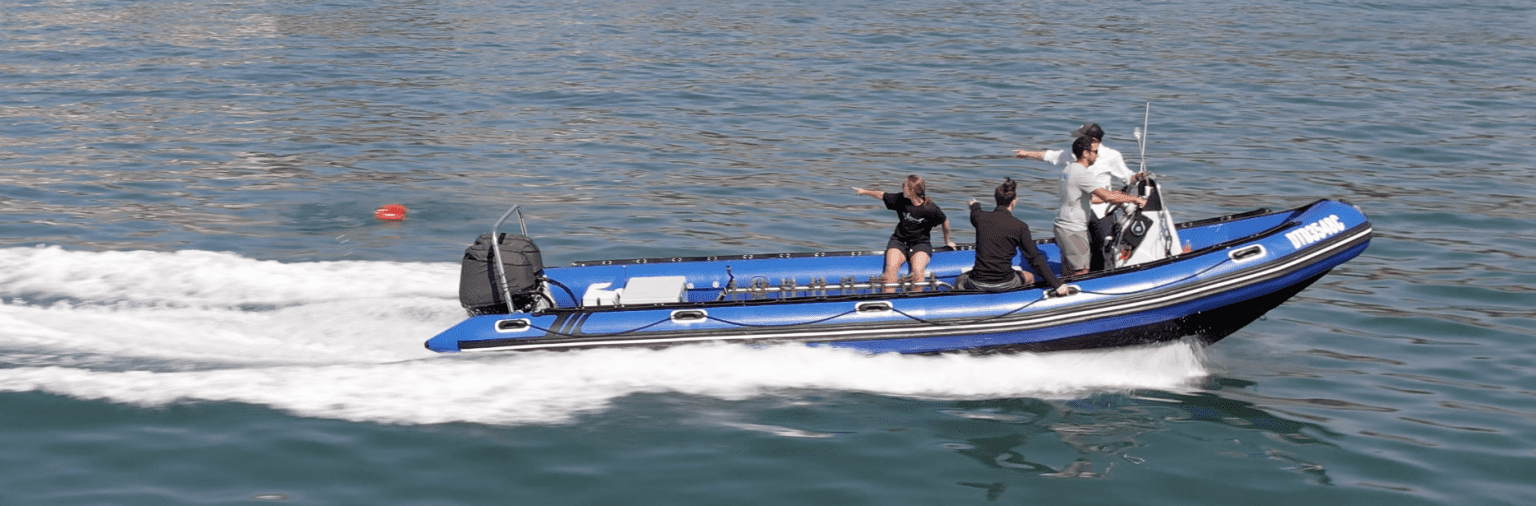
Mile Building
- Coastal and offshore voyages for sea time
- Practical navigation and seamanship exercises


Key Features
- Comprehensive Training: Covers multiple maritime and adventure disciplines.
- Globally Recognized Certifications: Includes SAMSA, ICC, and NAUI qualifications.
- Practical Experience: Emphasizes hands-on seamanship, navigation, and conservation.
Networking Opportunities: Engage with professionals in the maritime and eco-tourism industries.
Assessment Criteria
Participants are evaluated through:
- Practical Tests: Demonstrations in navigation, seamanship, and diving.
- Written Exams: Assessing theoretical knowledge of course content.
- Participation: Active involvement in all training activities.
Passing Requirements:
Participants must demonstrate competency in all modules to receive certifications. Failure to meet the required standards will result in non-certification.

Inclusions and Exclusions
What’s Included:
- Training materials and equipment
- All certification fees
What’s Not Included:
- Travel to and from Mossel Bay
- Transportation for scheduled activities
- Personal expenses and optional activities
Ready to get started?